
Complete MEP, HVAC & Fire Safety Solutions Guide
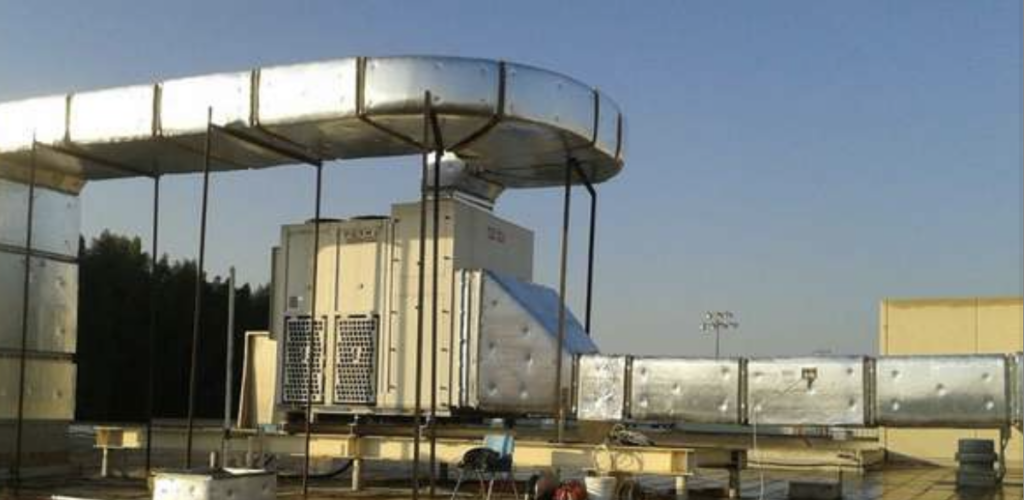
Solution for MEP, HVAC, and Fire Safety is a complete way to plan and manage building systems. It brings together Mechanical, Electrical, and Plumbing (MEP), HVAC systems, and Fire Safety Systems. These systems help keep a building safe, comfortable, and easy to run. They also help save energy, lower costs, and improve daily use. Every modern building needs more than strong walls and a good design. It also needs reliable electrical, plumbing, HVAC, and fire protection systems. These systems work together to support comfort, safety, and smooth operation. A Building Management System (BMS) helps monitor and control key functions. At the same time, fire alarms, sprinkler systems, ventilation equipment, and other safety tools help protect people and property. When these systems are planned as one solution, buildings perform better, last longer, and meet safety standards with ease. Understanding MEP, HVAC & Fire Safety Systems MEP, HVAC, and Fire Safety systems are the core systems that keep a building running safely and smoothly. While most people only see the finished building, these systems do the real work behind the scenes. They provide power, clean water, fresh air, cooling, and protection from fire. Without them, a building would not be safe, comfortable, or functional. What Are MEP Services? MEP stands for Mechanical, Electrical, and Plumbing services. These systems form the backbone of modern building infrastructure. Mechanical systems include equipment that helps control air and temperature. Electrical systems deliver power for lighting, equipment, and daily operations. Plumbing systems manage water supply, drainage, and sanitation. When these systems are well designed, a building becomes more efficient, reliable, and easier to maintain. The Role of HVAC Systems in Modern Buildings HVAC stands for Heating, Ventilation, and Air Conditioning. HVAC systems help keep indoor spaces comfortable throughout the year. They control temperature, humidity, and airflow. Good ventilation equipment also improves Indoor Air Quality (IAQ) by bringing in fresh air and removing stale air. Whether it is an office, factory, hospital, or shopping center, a well-designed HVAC system helps create a healthy and pleasant environment. Why Fire Safety Systems Are Essential Fire Safety Systems help protect people, property, and business operations. These systems include fire alarms, smoke detectors, fire sprinkler systems, fire pumps, and emergency lighting. They can detect danger early and respond quickly during an emergency. A strong fire protection system also helps buildings meet safety regulations and reduce risks. When integrated with MEP and HVAC systems, fire safety is a key part of a safe, high-performing building. Benefits of Integrated MEP, HVAC & Fire Safety Solutions The biggest benefits of integrated MEP, HVAC, and Fire Safety solutions are improved building performance, enhanced safety, and lower operating costs. Instead of operating as separate systems, these solutions work together as a single connected system. This creates a smarter, safer, and more efficient building. It also helps building owners avoid problems before they become costly repairs. Improved Building Performance When Mechanical, Electrical, and Plumbing (MEP) systems are designed to work with HVAC and Fire Safety Systems, the entire building performs better. Air flows more efficiently. Power is used more wisely. Water systems run smoothly. A Building Management System (BMS) can monitor these systems in real time and help detect issues early. This leads to fewer breakdowns, better energy efficiency, and a more comfortable environment for everyone inside the building. Enhanced Occupant Safety Safety is one of the most important goals of any building. Integrated systems help improve protection in many ways. For example, fire alarms, smoke detectors, and fire sprinkler systems can work alongside ventilation systems to respond quickly during an emergency. Emergency lighting and fire pumps also support safe evacuation. Because all systems are connected, building managers can react faster and reduce risks. This creates a safer space for employees, visitors, customers, and residents. Reduced Operational Costs Integrated solutions help lower costs over time. Energy-efficient HVAC systems, smart controls, and well-planned electrical systems reduce power consumption. Properly designed plumbing systems help prevent water waste and costly leaks. Regular monitoring through Building Automation Systems (BAS) and Energy Management Systems (EMS) can identify problems before they become expensive repairs. As a result, building owners spend less on maintenance, energy bills, and unexpected downtime. The building becomes more reliable, efficient, and cost-effective for years to come. Key Components of MEP Systems The main parts of an MEP system are Mechanical, Electrical, and Plumbing systems. Together, they help a building stay comfortable, safe, and fully functional. Each system has a different job, but all three must work together. When they are planned and installed correctly, they improve building performance, support daily operations, and reduce long-term maintenance issues. Mechanical Systems Mechanical systems mainly focus on indoor comfort and air movement. This includes HVAC systems, ventilation equipment, air-handling units (AHUs), fan-coil units (FCUs), and cooling equipment. These systems control temperature, humidity, and airflow throughout a building. Good mechanical design helps improve Indoor Air Quality (IAQ) and creates a comfortable environment for people. It also helps reduce energy use and supports better building efficiency. Electrical Systems Electrical systems supply power to every part of a building. They include power distribution, lighting systems, electrical distribution panels, backup generators, and low-voltage systems. These systems ensure that equipment, computers, lighting, and safety devices operate properly. A reliable electrical system is essential for smooth business operations. It also supports modern technologies such as Building Automation Systems (BAS) and smart building controls. Plumbing Systems Plumbing systems manage the flow of water throughout a building. They include water supply systems, drainage systems, piping networks, and sanitation infrastructure. These systems provide clean water for daily use and safely remove wastewater. Proper plumbing design helps prevent leaks, water damage, and health risks. It also supports water conservation and efficient building management. In modern buildings, plumbing systems are carefully integrated with mechanical and electrical systems to ensure reliable and long-lasting performance. Together, these three components form the foundation of a strong MEP system. They help buildings operate efficiently while meeting safety, comfort, and performance goals. Advanced HVAC Solutions for Energy Efficiency Advanced